This program will not be run in Summer 2023. We encourage interested students to explore the UW Microbiology International Internship in Thailand program as an alternative.
Click here for a full list of programs currently accepting applications.
Thailand, Chiang Mai
The UW Microbiology and Public Health in Northern Thailand program is offered by the College of Agricultural and Life Sciences (CALS) in partnership with IAP.
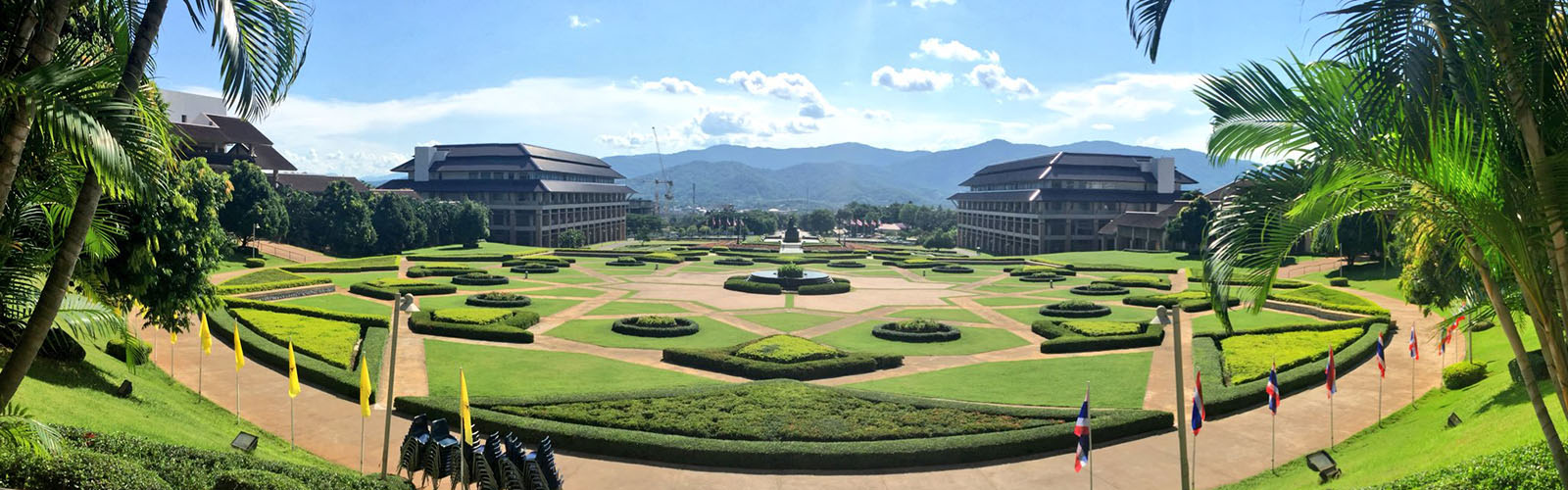
This program is located in Chiang Mai, a famous and bustling city of historical importance, located in picturesque Northern Thailand. Popular with both domestic and foreign tourists, Chiang Mai is known for its vibrant city life, night markets, excellent (and spicy!) cuisine, cultural sites and easy access to hiking in the green mountainous northern plateau region of Thailand. The program will immerse you in Northern Thai culture as you study first-hand microbiological issues in Thailand as they relate to the environment, food production and human health. Outside of class, you will have the opportunity to explore local markets, visit Buddhist temples, take a Thai cooking class, and visit an elephant sanctuary.
Learning Objectives
We have overall Goals and Expectations for Study Abroad Participants, covering the personal, academic and professional aspects of study abroad. Additionally on this program, you can:
- List and describe microbiological disease concerns of Northern Thailand of humans, animals and plants.
- Describe disease mechanisms of selected viral, bacterial and eukaryotic pathogens of humans, animals and plants.
- Explain environmental microbiological topic of interest in Thailand.
- Describe the basis and mechanism of food fermentation.
- Recognize and describe regionally relevant fermented food.
Diversity & Inclusion
We are committed to providing quality study abroad and domestic study away programs for every UW-Madison student. We work strategically to identify, address, and remove barriers that may prevent participation and to provide a welcoming and inclusive environment for students. Our staff actively engages with students, faculty, and staff from diverse backgrounds and prioritizes the continuous development of our knowledge and cultural competence. We also recognize the importance of increasing access to study abroad for historically underrepresented student populations. We are committed to diversity and inclusion so that every student can engage with and understand their identity through a new lens and continue to develop and make progress on their personal, professional, and academic goals.
Sustainability
We recognize that the future of study abroad, domestic study away, and international internship programming requires a Commitment to Sustainability. We are devoted to examining, developing, and improving sustainability in all our endeavors, aligning with campus priorities and following through with UW-Madison's climate action and Resilience Commitment. Join our efforts and learn more about how to study abroad sustainably.
Request Information
Join our email list to receive program updates-including application notices, scholarship information, and more!
Eligibility
Students must have completed an introductory biology course (ig Zoology 151, Botany 151, Biology 151) prior to participating.
- 2.0 cumulative GPA
- Freshman, Sophomore, Junior, Senior
- Open to UW-Madison degree-seeking students only
- Good academic and disciplinary standing
- At the time of application and the semester prior to participation, UW-Madison students must be currently enrolled. Transfer Students to UW-Madison need to be currently enrolled at their home institution
Advising Location

Program Structure
UW Signature
Subjects
Biosciences, Pre-Health, Public Health
Classroom Language
English
Housing
Hotels
Program Duration
Summer: Late June - Early August
Application Deadline(s)
Future durations will be posted at a later date.
APPLY NOW
Participants will enroll in two courses while participating in this program. Students will enroll in Microbiology 375 for 2 credits taught by Dr. Jon Roll which presents and discusses microbiological topics of Thailand relevant to human health, the environment and food production. Many of these topics will be specific to Northern Thailand or the region and when possible include excursions and/or hands-on (or taste-buds-on) experiences. Students also learn about Public Health and Sustainable Development in Thailand, and will earn one credit. Participants must take both courses for 3 credits in total.
The two courses will be completed in Chiang Mai at the International Sustainable Development Studies Institute (ISDSI) that will also familiarize you with modern Thai society.
This program is approved as a field experience for the Global Health Certificate. Students completing both courses offered on this study abroad program will fulfill the College of Agricultural and Life Sciences International Studies requirement.
Affiliate Institution(s)
International Sustainable Development Studies Institute
Course Equivalents
Use the links below to see a list of courses that past students have taken on this program and the UW equivalents. Note: This list only includes pre-approved courses for your program and may not be an exhaustive list of courses, departments or equivalents. Courses may not be available the semester you are abroad. You will receive instructions on the course equivalent process after acceptance. View Course Equivalents
Program Leader
Jon Roll